Best Sleep Headphones for Bedtime Audio
A practical guide to sleep headphones, including headbands, flat speakers, earbuds, side-sleeper comfort, battery life, controls, cleaning, and volume safety.
Editorial note
RestWise Guide evaluates products using publicly available specifications, feature comparisons, manufacturer information, and editorial research. We do not claim hands-on testing unless explicitly stated.
Affiliate disclosure
This page contains affiliate links. As an Amazon Associate I earn from qualifying purchases.
Product recommendations
Our Picks
These recommendations are based on public product information, feature comparison, and editorial research. RestWise Guide does not claim hands-on testing unless explicitly stated.
Best Overall
SleepPhones Wireless
SleepPhones
A strong overall pick for readers who want a familiar sleep-headphone headband format with a recognizable brand and a balanced feature set.
Practical strengths
- Headband format avoids bulky over-ear hardware.
- Clear fit for readers comparing traditional sleep headphone styles.
- Useful as a benchmark option in the article.
May not suit
May not satisfy readers who want earbuds instead of a headband.
Best Budget Headband
Perytong Sleep Headphones Bluetooth 5.4 Headband
Perytong
Best for readers who want the sleep-headband format at a lower cost and prefer a simple, washable-feeling everyday option.
Practical strengths
- Budget-friendly entry into sleep headphones.
- Keeps the guide accessible for readers testing the category.
- Maintains the headband format while giving the lineup a value tier.
May not suit
May feel more basic than the premium modular choices.
Best Sleep Earbuds
soundcore by Anker, Sleep A10 Bluetooth Sleep Earbuds
Soundcore
A good option for readers who prefer sleep earbuds over a headband and want a low-profile design for bedtime listening.
Practical strengths
- Earbud format gives the article a distinct alternative to headbands.
- Low-profile design is useful for side-sleeper comparisons.
- Helps cover a different sleeping preference in the guide.
May not suit
Earbud fit can be more personal than a headband fit.
Best Premium Sleep Earbuds
Ozlo Sleepbuds
Ozlo
The premium earbud pick for readers who want a more specialized sleep-earbud experience and are willing to spend more for that category.
Practical strengths
- Premium earbud positioning creates a clear upper-tier choice.
- Distinct from the headband-style recommendations in the same article.
- Useful for readers who want earbuds rather than a band.
May not suit
Premium pricing may be more than some shoppers want for bedtime audio.
Sleep headphones are designed for people who listen to calming audio, white noise, podcasts, meditations, or music in bed. The challenge is comfort. A headphone that sounds good while sitting upright may be unpleasant when your ear is pressed into a pillow.
Quick Decision Summary
Side sleepers should prioritize flat speakers, soft headbands, or very low-profile earbuds. Back sleepers have more options. Everyone should consider volume safety, cleaning, battery life, and controls that are easy to use in the dark.
Headband Headphones
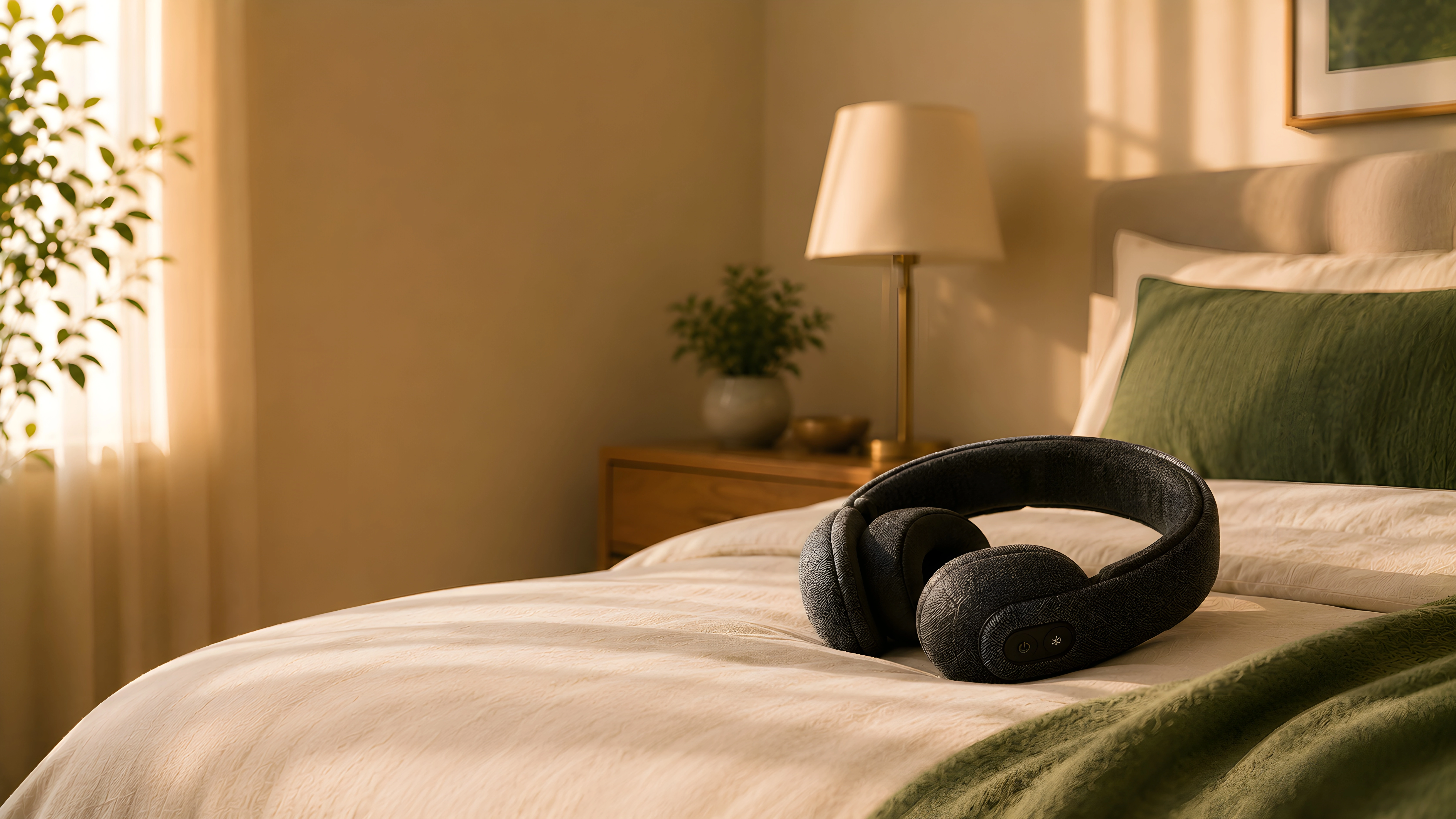
Headband-style headphones place thin speakers inside a fabric band. They can be comfortable for side sleeping if the speakers are flat and adjustable. The fabric should be breathable and washable.
Flat Speakers
Flat speaker modules reduce pressure points. Check whether the speaker position can be adjusted, because ears do not line up the same way for every person.
Earbuds
Sleep earbuds can offer better isolation and sound control, but they may create pressure in the ear canal or against the pillow. They also require careful cleaning.
Side-Sleeper Comfort
Side sleepers should avoid bulky housings. Pillow firmness matters too; a softer pillow may reduce pressure. If you change sides often, speaker stability becomes important.
Wired Versus Wireless
Wired models avoid charging but introduce cord management. Wireless models reduce cords but require battery charging and may include lights or prompts. If wireless, check whether low-battery alerts can disrupt sleep.
Battery Life
Battery life should cover your intended use. If you use timers, shorter battery life may be fine. If audio runs all night, charging behavior matters more.
Controls
Controls should be easy to find without looking. Large fabric buttons or simple inline controls can be better than tiny touch zones that misfire.
Volume Safety
Use the lowest comfortable volume. Avoid trying to drown out loud environmental noise with high headphone volume. Timers and volume limits can help keep listening responsible.
Cleaning
Fabric bands should be washable after removing electronics. Earbuds need regular cleaning because they contact the ear. Check care instructions before buying.
Practical Pros and Limitations
Sleep headphones can keep audio private and reduce partner disturbance. They can also become uncomfortable, warm, or inconvenient to clean. They do not replace safe listening habits.
Buying Mistakes to Avoid
Do not buy standard bulky earbuds for side sleeping without checking fit. Do not ignore battery alerts. Avoid non-washable fabric if you use headphones nightly. Do not use high volume as a substitute for addressing environmental noise.
Selection Checklist
- Low-profile comfort
- Adjustable speaker position
- Washable fabric or cleanable earbuds
- Safe volume habits
- Timer compatibility
- No disruptive lights or alerts
- Battery life that fits your routine
- Simple controls
Conclusion
The best sleep headphones are comfortable first and impressive second. Choose the design that fits your sleeping position, then narrow by cleaning, controls, and listening safety.
RestWise Guide may earn a commission from qualifying purchases made through links on this site, at no additional cost to you.
FAQ
Are earbuds good for sleeping?
Some low-profile earbuds may work, but side sleepers often find pressure uncomfortable.
How loud should bedtime audio be?
Use the lowest comfortable volume and consider timer features so audio does not play loudly all night.
Are wired headphones safer than wireless?
Each has tradeoffs. Wired models avoid charging, while wireless models avoid cords. Comfort and safe use matter most.